
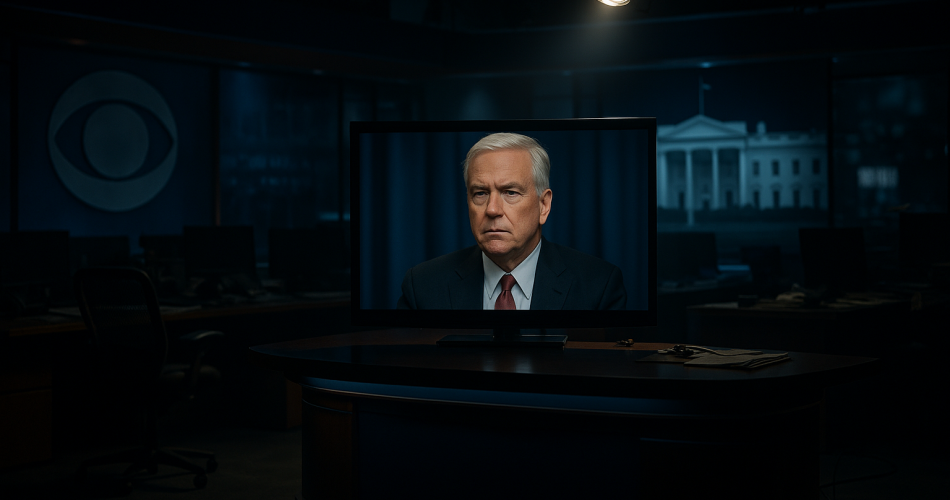
White House Allegedly Pressured CBS Over Trump Interview Broadcast
In a development raising concerns over media and government boundaries, the White House reportedly threatened legal action against CBS if the network did not air President Donald Trump’s ‘Evening News’ interview in its entirety. The incident, detailed by sources familiar with the situation, highlights ongoing tensions between the press and the administration.
Understanding the Context
The reported threat came as CBS was preparing to broadcast a high-profile interview with then-President Trump. According to multiple media reports, White House officials insisted that any edits or omissions could result in legal repercussions, an unusual move in the history of presidential interviews on major U.S. networks.
Why This Matters Now
This incident comes at a time when media independence and government accountability are under heightened scrutiny worldwide. Allegations of interference in editorial decisions raise significant questions about the freedom of the press and the responsibilities of news organizations when covering political figures.
What Sets This Apart
While tensions between U.S. presidents and the media are not new, direct threats of litigation over the editorial process are rare. This episode underscores a growing adversarial relationship between political leaders and major media outlets, with potential implications for how future interviews are negotiated and presented.
What to Expect Next
As the story develops, CBS and other networks may review their editorial policies regarding political interviews. Viewers and industry observers should watch for official statements from both CBS and the White House, as well as possible legal analysis of any publicized correspondence or contractual terms between the parties.
Key Takeaways
- The White House reportedly warned CBS of legal action if Trump’s interview was edited.
- The situation highlights ongoing tensions between government officials and the press.
- Such direct threats over editorial control are uncommon in U.S. broadcast history.
- Media outlets may reconsider interview policies for high-profile political figures.
- The incident has sparked renewed debate on press freedom and government influence.

