Understanding the Day-One Patch Phenomenon
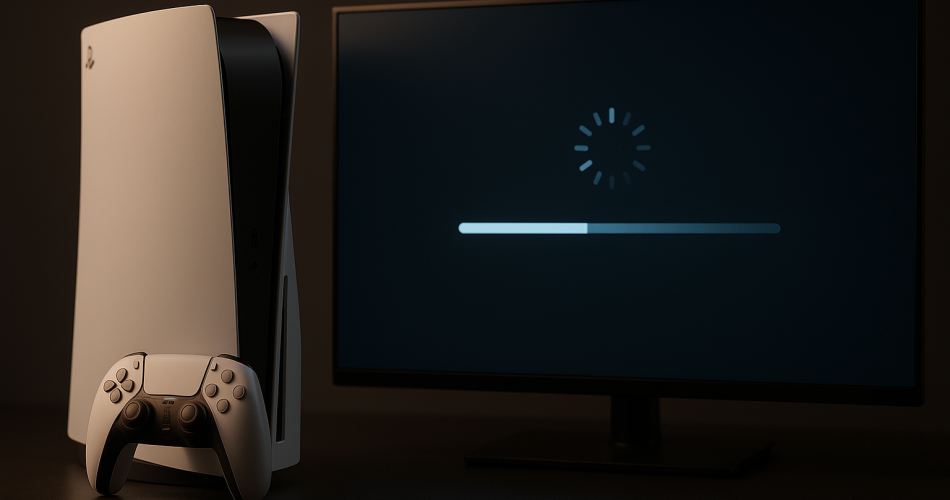
In recent years, the term ‘day-one patch’ has become a fixture in gaming culture. It refers to a software update released on or just before a video game’s official launch date, often addressing bugs, performance issues, and last-minute refinements.
Why Day-One Patches Are the New Normal
Game development has grown more complex, with larger worlds, intricate systems, and ambitious online features. Meeting tight release schedules, developers sometimes ship discs or digital files while continuing to work on unresolved issues. The result: a substantial update delivered as soon as players install or launch the game.
Why This Matters Now
With the rise of digital distribution and always-online consoles, it’s technically easier—and expected—for games to receive immediate post-launch support. For players, this means the version they play on release day may differ significantly from the one reviewed by critics or previewed by fans. It also raises questions about quality assurance (QA) standards and whether games are truly ‘finished’ at launch.
What Makes Day-One Patches Different
Unlike routine post-release updates that add new content or features, day-one patches are often essential for stable gameplay and fixing critical bugs. In some cases, they are so significant that playing without them can result in a subpar or even unplayable experience.
What to Expect: The Future of Launch Patches
Day-one patches are likely to remain standard practice, especially for big-budget titles. However, increasing consumer awareness and feedback may pressure studios to improve pre-launch QA and minimize the size and necessity of these updates. Players should expect to download sizable patches at launch but can also anticipate more transparent communication from developers about what these updates address.
Key Takeaways
- Day-one patches are major updates released alongside a game’s launch, typically to fix critical issues.
- They reflect the complexity of modern game development and the realities of tight release schedules.
- These patches can significantly alter the launch experience, sometimes making the game playable only after updating.
- Ongoing feedback may encourage studios to improve QA and reduce reliance on large launch patches.
Related coverage
- Once Human: Visional Wheel Season 3 Launch Trailer Signals Major Shifts for Survival Shooter
- How Game Release Windows Really Work—and Why They Slip
- Everything We Know About Dead by Daylight: Confirmed Details, Uncertainties, and What’s Next
- Leon’s Evolution in Resident Evil 9: What New Gameplay Footage Reveals
- How Netflix Decides Which Shows Get Renewed or Canceled: The Real Metrics Explained

